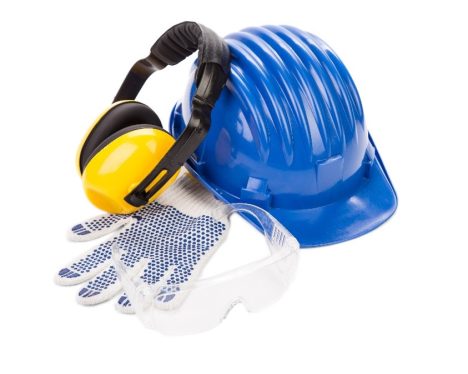

Personal protective equipment (PPE) is vital to protect workers, especially against hazards in respirable air. Industrial activities create a variety of air pollutants such as airborne particles and harmful gases. The correct selection of PPE to ensure respiratory safety is one of the most important steps in protecting worker health.
The first step in ensuring respiratory safety is the assessment of respiratory hazards. In this process, the physical state (gas, particulate or both) and chemical form (toxin, corrosive element, carcinogen, etc.) of chemicals to which workers may be exposed under normal working conditions and in emergency scenarios are determined. To assess the source of chemical hazard, the Safety Data Sheets (SDS) of the relevant substances should be examined and environmental air samples should be taken when necessary.
The choice of respiratory protection equipment should be made in the light of some factors:
- Workplace restrictions: While masks or cartridge filter respirators alone may be sufficient, hose respirators can be used in areas where an independent air supply is required. However, the use of tubing in confined spaces can be risky.
- Medical conditions: Negative pressure inhalers (which require effort to draw in air) may not be suitable for those with lung conditions such as asthma or emphysema.
- User comfort: Inappropriate PPE can lead to lost productivity or absenteeism.
- Level of protection: Different work environments require different levels of protection; cleaning in a chemical plant and working in a dusty environment require different levels of protection.
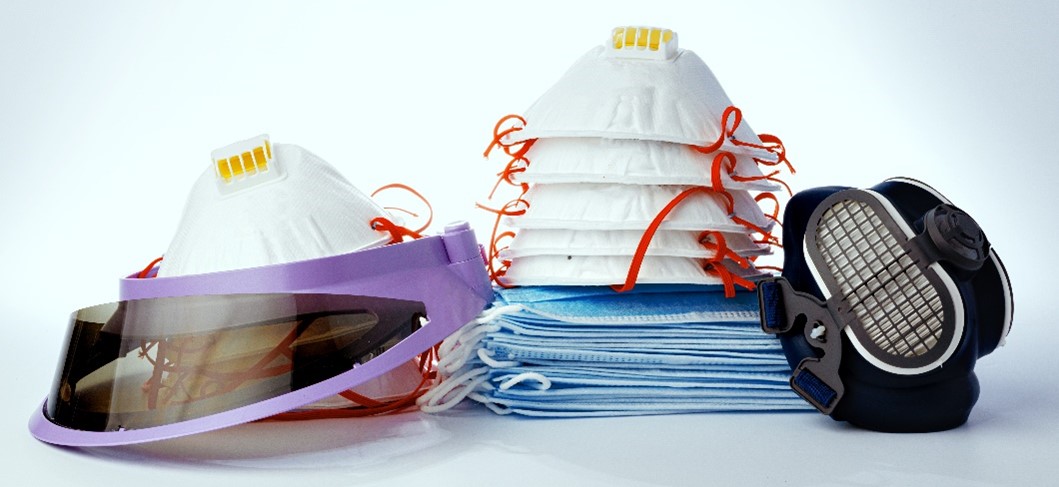
Two main categories of respirators can be selected according to the appropriate level of protection:
- Air-purifying respirators: Filter the air to remove harmful substances, particles or vapors. However, they may not be suitable for all users.
- Air supply devices: Provides increased safety, especially for environments with hazardous gases.
It is a legal obligation of employers to take care in choosing the right PPE to protect the health of their employees.
Related Posts

The Main Cause of Work Accidents: Human Error and the Life-Saving Role of PPE
Safety in the workplace is critical for both employers and employees. Under the Occupational Health…